

Night Routine for Better Sleep: What Your Body Actually Needs
Most people think a night routine means skincare and herbal tea. But what your body actually needs is something much quieter — and it starts earlier than you’d expect.
This article may contain affiliate links. If you buy through these links, we may earn a small commission at no extra cost to you.
There’s a version of the evening that most of us never quite reach. One where the end of the day actually feels like an ending — where your mind slows down on purpose, your body takes the hint, and sleep arrives almost on its own. Instead, most nights look like this: one more scroll, one more episode, a rushed brush of the teeth, and then lying in the dark wondering why your brain won’t switch off.
Here’s why that happens. Your body doesn’t transition into sleep like flipping a light switch. It winds down gradually, over the course of an hour or two, guided by hormonal cues, temperature shifts, and environmental signals. When those signals are missing — or actively drowned out by bright screens and stimulation — sleep gets pushed back, fragmented, or just plain shallow.
A good night routine for better sleep isn’t about doing more things. It’s about giving your body the conditions it’s already looking for.
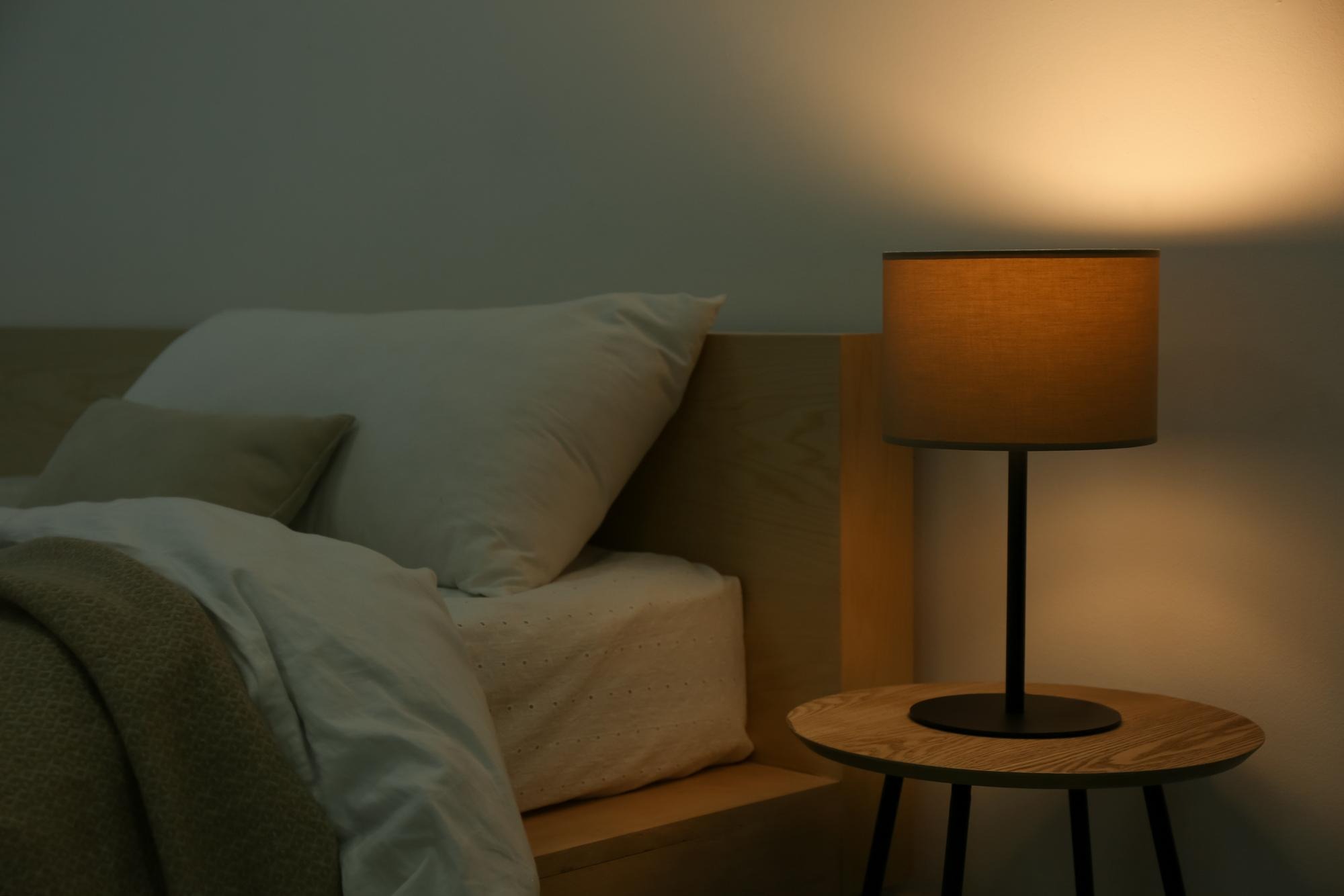
The right evening light does something a supplement can’t — it tells your body the day is done.
Why Your Night Routine Matters More Than Your Bedtime
Most sleep advice circles around bedtime — go to bed earlier, be consistent, get your eight hours. All of that is true. But the time you lie down is really just the outcome of everything that came before it. What shapes how quickly you fall asleep, how deeply you stay asleep, and how rested you feel in the morning is the hour or two leading up to it.
Your brain runs on patterns. When you consistently do calming, low-stimulation things each evening, those behaviors become a kind of signal — a cue that sleep is approaching. Over time, your body starts releasing melatonin, dropping its core temperature, and easing cortisol levels in response to those cues. The routine creates the biology, not the other way around.
What most people don’t realize is that the most powerful sleep tool you have isn’t a supplement or a gadget — it’s a consistent evening that your nervous system has learned to trust.
Building Your Night Routine for Better Sleep
You don’t need a complicated ritual. You need a handful of habits that are genuinely calming, done in roughly the same order, most evenings. Here’s what actually moves the needle. Keep in mind that what you do during the day shapes the quality of your nights just as much as your evening habits — the two work together.
Start by dimming the lights earlier than feels necessary
This is the one most people skip, and it’s genuinely one of the most effective things you can do. Bright overhead lighting — the kind most of us have running until the moment we get into bed — actively suppresses melatonin. Your brain reads it as daylight and holds off on the hormonal shifts that prepare you for sleep.
Switching to softer, warmer light somewhere around an hour before bed makes a real difference. A lamp in the corner, a salt lamp, even candles if that’s your thing. It sounds almost too simple, but it helps more than people expect.
Set your phone down with genuine intention
The blue light from screens is real, but honestly the bigger issue is the mental stimulation. Scrolling keeps your brain in a state of constant, low-level alertness — scanning for new information, reacting to content, never quite landing anywhere restful. Even 20 or 30 minutes away from screens before bed can noticeably soften how your mind feels when your head finally hits the pillow.
This doesn’t have to mean doing something productive instead. Reading a physical book, stretching slowly, sitting with a warm drink — anything that asks nothing of your attention works. For a full list of calming things to try in that window, see what to do before bed.
Take a warm shower or bath about 90 minutes before bed
This one has some of the strongest evidence in sleep research. Warm water raises your skin temperature, and the natural cooling that follows mimics the drop in core body temperature that your body uses as a sleep trigger. Surprisingly, it’s not the warmth itself that helps — it’s the cooling down afterward. Timing it roughly 90 minutes before you want to sleep gives that process room to work.

A warm bath 90 minutes before bed is one of the few sleep habits with genuinely strong evidence behind it.
Do a small “close of day” ritual
One of the quieter reasons people lie awake is unfinished mental business — things left undone, tomorrow’s worries drifting in before you’ve had a chance to process today. A short closing ritual helps with this. Five minutes of writing down tomorrow’s top three priorities, or jotting a few things you’re grateful for, gives your brain a sense of completion. You’ve acknowledged what needs acknowledging. It’s okay to put it down now.
Some people call this journaling. You can just call it thinking with a pen.
Good to know
You don’t have to do every part of your routine perfectly every night. The value of a routine comes from its consistency over time, not from executing it flawlessly. A simplified version of your wind-down is still far better than skipping it entirely.
Evening Habits That Support Better Sleep
Beyond the obvious pre-bed rituals, a few quieter habits shape the quality of your nights in ways that are easy to underestimate.
Eat dinner earlier
A heavy meal close to bedtime raises your core temperature and keeps your digestion active when your body would rather be winding down. Aiming for a gap of two to three hours before sleep makes a real difference.
Cut caffeine after 2pm
Caffeine has a half-life of around five to six hours in most people. That mid-afternoon coffee is often still partly active at midnight, quietly keeping sleep lighter than it should be.
Cool the bedroom down
Your core body temperature needs to drop to initiate deep sleep. A room between 16 and 19°C (60–67°F) supports that process. A cracked window or a quietly running fan often does the job.
Choose calming content
If you do watch something in the evening, it matters what you choose. Emotionally intense shows or news keep your nervous system on alert well after the screen goes off.
Try herbal tea as a ritual
Chamomile, valerian root, or passionflower teas have mild calming properties, but the ritual itself matters just as much. A warm, caffeine-free drink signals wind-down in a gentle, consistent way.
Keep the same sleep window
Going to bed and waking up at roughly the same time — even on weekends — anchors your circadian rhythm. It’s one of the most effective long-term sleep habits, and one of the most consistently underused.
What to Do When Your Mind Won’t Settle
Even with the best evening routine in place, there are nights when your brain just doesn’t cooperate. You’re tired, the conditions are right, but your thoughts keep circling. This is incredibly common — and it usually has less to do with sleep itself and more to do with unprocessed stress that found its window.
Try a body scan instead of fighting the thoughts
Lie still and slowly bring your attention through your body, from your feet upward — noticing any tension without trying to fix it. It sounds a bit abstract, but it works by gently pulling your attention out of narrative thinking and into physical sensation. Most people don’t make it past their knees before things start to soften. If lower back or hip tension is part of what keeps you restless, it’s worth reading about the best way to sleep with lower back pain.
Slow your breathing deliberately
A simple approach: breathe in for four counts, hold for four, out for six. The extended exhale activates your parasympathetic nervous system — the part responsible for rest. You don’t need an app or a guided meditation. Just a few minutes of intentional, slow breathing does the job quietly and reliably.
Get up if you’ve been lying awake for more than 20 minutes
This one feels counterintuitive, but it’s genuinely good advice. Lying in bed unable to sleep trains your brain to associate the bed with wakefulness. Getting up, doing something quiet in dim light — reading, gentle stretching, sitting with a warm drink — and returning when you feel genuinely sleepy protects that mental association. Your bed should feel like a place your body wants to surrender to, not a place where you lie there staring at the ceiling.

If sleep won’t come, getting up briefly is often better than lying there forcing it.
Worth noting
Trying hard to fall asleep is one of the most reliable ways to stay awake. The goal of a wind-down routine is to create the right conditions — not to force an outcome. When you stop chasing sleep and start simply making space for it, it tends to show up on its own.
Your Bedroom’s Role in the Routine
The space itself is part of the signal. A bedroom that feels cluttered, warm, or associated with work and screens sends mixed messages to your nervous system. Even small environmental adjustments can shift how quickly and deeply you sleep.
- Blackout curtains or a sleep mask — even dim light suppresses melatonin
- A cool room temperature somewhere between 16 and 19°C (60–67°F)
- Breathable bedding — natural linen or cotton, not synthetic blends that trap heat
- No phones on the bedside table, or at least face-down with notifications off
- A consistent, mild scent like lavender — your brain is good at learning environmental cues
- Soft, warm lighting rather than overhead brightness in the hour before bed
None of these are dramatic changes. But done together, they add up to a bedroom that your body genuinely reads as a place for rest — which is more powerful than it sounds.
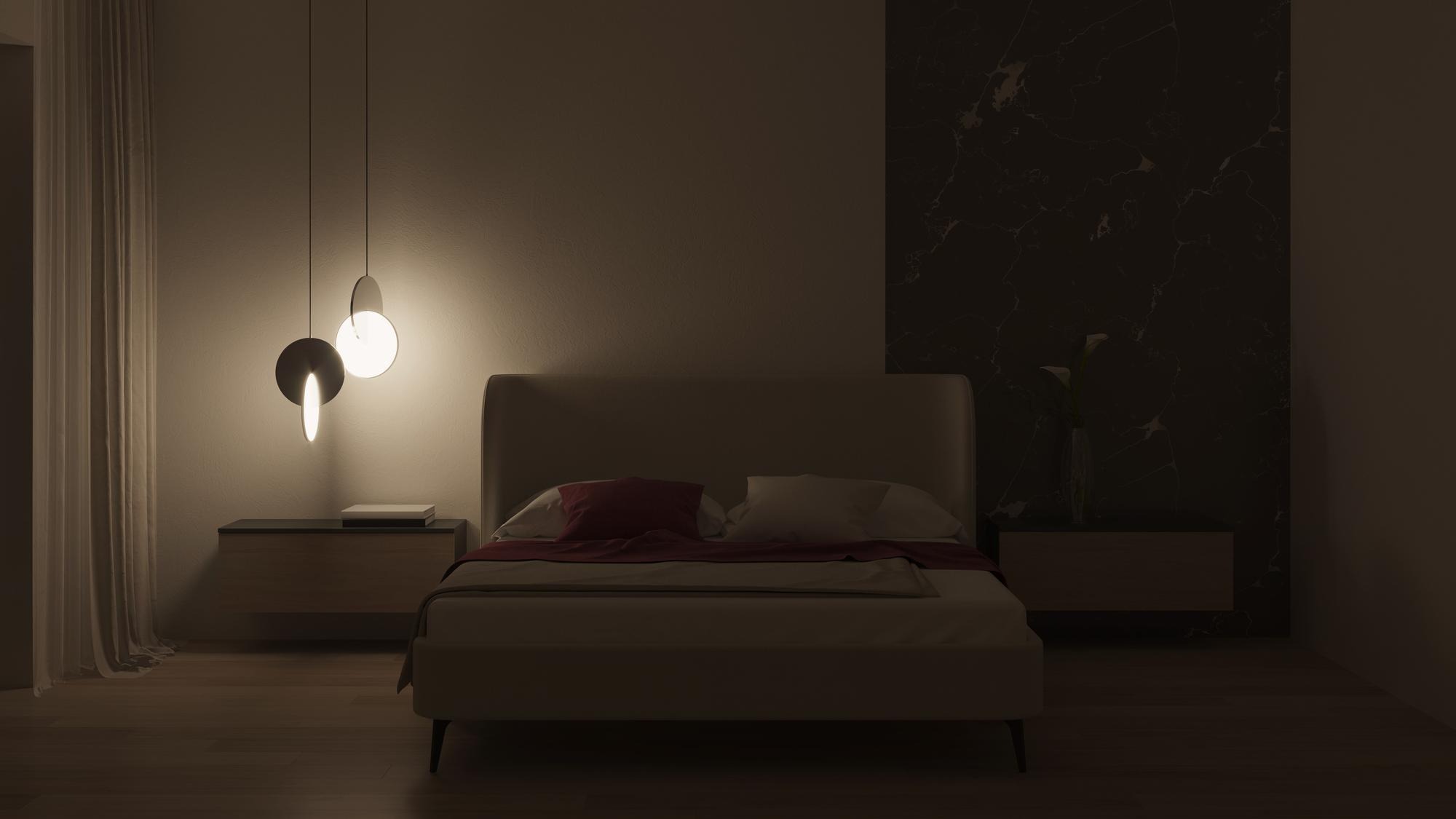
Your bedroom environment does quiet work all night — it’s worth getting it right.
What a Simple Night Routine Might Actually Look Like
In case it’s helpful to see it laid out, here’s what a genuinely effective evening looks like — not a perfect one, just a consistent one.
Around two hours before bed: Dim the overhead lights. Switch to lamps. Have dinner if you haven’t yet, and keep it light. Step away from any work or stressful conversations.
About 90 minutes before bed: Take a warm shower or bath. Change into something comfortable. Start steering toward calmer content — a book, a quiet podcast, something easy on the mind.
Thirty minutes before bed: Put the phone down. Do a few minutes of journaling or write tomorrow’s priorities. A cup of chamomile tea if that’s appealing. Dim any remaining lights further.
At bedtime: Cool, dark room. A few slow breaths before settling in. No scrolling. Just the quiet.
That’s honestly it. Nothing elaborate. The power is in the repetition — doing roughly the same things, in roughly the same order, consistently enough that your body starts anticipating sleep before you’ve even gotten into bed. If you want to go a step further and build the full habit picture — from morning light to bedtime — the before bed routine guide is a good companion to this one.
A night routine for better sleep isn’t a performance or a checklist — it’s a quiet agreement with your own body. You give it the right signals, and it takes care of the rest. Start with one or two changes, keep them consistent, and give it two weeks before expecting much. Sleep responds slowly and then all at once. One morning you’ll wake up and realize you actually feel rested — and that’s the feeling worth building toward.