
How to Sleep Comfortably While Camping 7 Tips for a Restful Night
You hiked all day, the views were unreal, and dinner tasted better than anything back home. Then the sun went down, and you lay there wide awake on what felt like a bag of rocks.
If that sounds familiar, you’re in good company. Plenty of people love everything about camping except the sleeping part. The fresh air knocks you out for about twenty minutes, then you’re staring at the tent ceiling, cold in places you didn’t know could get cold, listening to every leaf that dares to rustle.
Here’s the thing, though. Good camping sleep isn’t some secret only seasoned hikers know. Most of what keeps you up out there comes down to a few fixable things — warmth, your setup, light, and noise. Sort those out and you can sleep just as well under the stars as you do at home. Sometimes better.
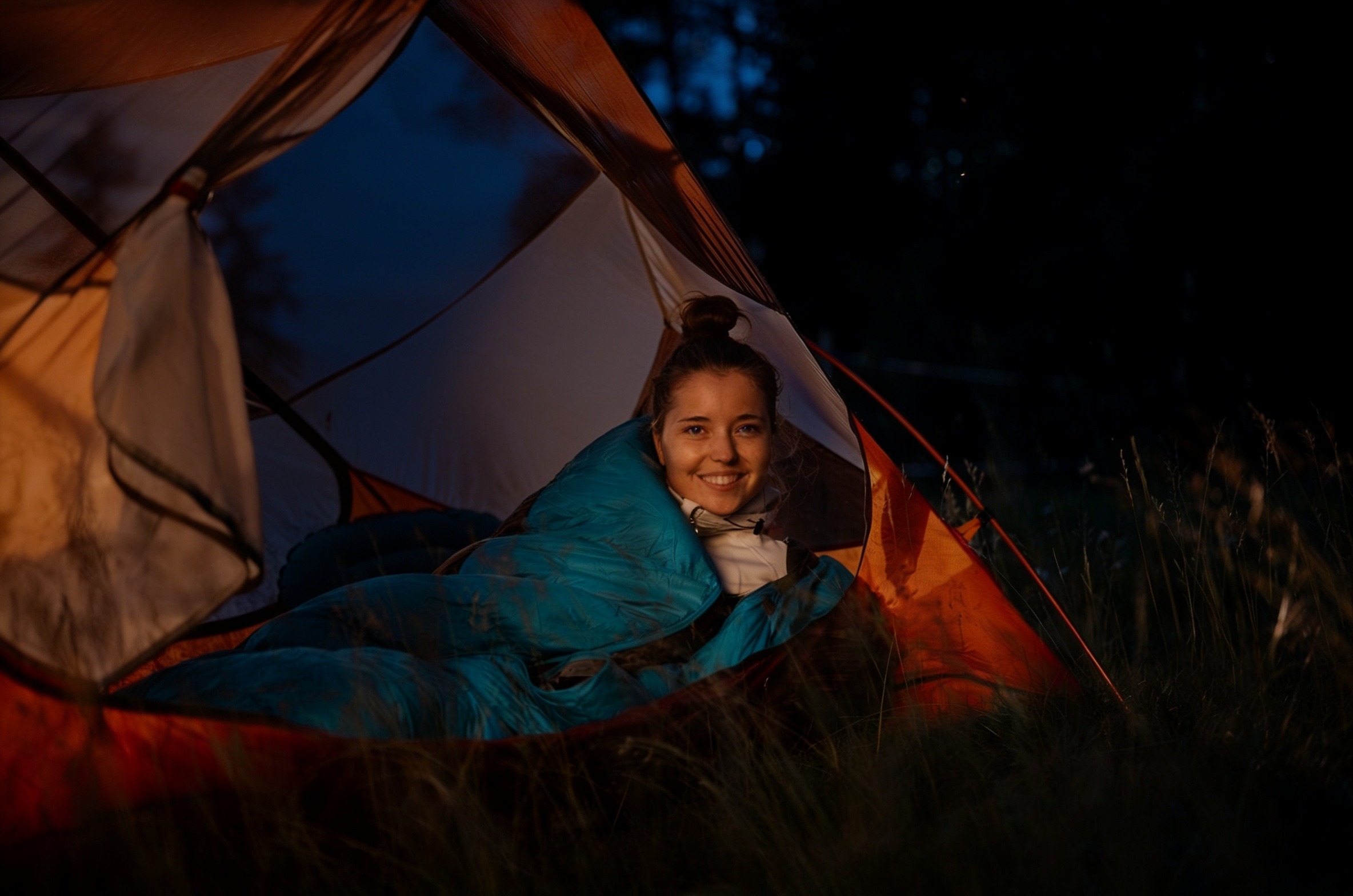
Sort out warmth, light, and noise, and a tent can be just as restful as home.
Why sleeping while camping feels so hard
Your body is used to a very specific setup at home. A familiar mattress. A room that holds its temperature. Predictable dark and quiet. Out in a tent, almost none of that is true, and your brain notices every difference.
Cold is usually the biggest culprit. People focus on what’s covering them, but the cold that ruins a night actually creeps up from underneath. The ground pulls heat straight out of your body, and no sleeping bag on its own can stop that.
Then there’s the lumpy ground, the early sunrise that turns your tent into a greenhouse by 6 a.m., and a forest full of sounds your city ears aren’t tuned to. None of it is impossible to handle. You just have to plan for it instead of hoping for the best.
Start from the ground up
If you only change one thing about how you sleep outdoors, make it this: put something insulating between you and the ground. It’s the part most first-timers skip, and it’s the single biggest reason they shiver all night.
Your sleeping pad does more than cushion
A sleeping pad isn’t just there to soften the ground. Its real job is to block the cold from rising into you while you sleep. That’s why a decent pad can be the difference between a cozy night and a miserable one, even when the air feels perfectly mild.
Heading somewhere cool? Look for a pad with a higher R-value — that’s just the number that tells you how well it insulates. Higher means warmer. A self-inflating pad is a lovely middle ground for most campers: comfortable, warm enough for three seasons, and barely any fuss to set up. A self-inflating camping pad like this is a solid place to start.
Car camping and not worried about weight? A thicker air mattress feels almost like home. Just know the big open air pocket can feel chilly from below on cold nights, so slip a blanket or foam layer underneath if the temperature’s dropping.
Whatever you sleep on, insulate from below first. You can pile on all the blankets you want, but if the cold ground is pulling heat out of your back, you’ll still wake up shivering. Warmth starts underneath you.
Pick the right sleeping bag for the trip
A sleeping bag is personal. The right one depends on where you’re going, how cold it gets at night, and honestly, how warm or cold a sleeper you are. Some people run hot and kick everything off by midnight. Others are still cold in July.
Match the temperature rating to reality
Every sleeping bag comes with a temperature rating. Here’s the trick nobody mentions: pick a bag rated a little colder than the lowest temperature you actually expect. Those ratings tend to be optimistic, and it’s far easier to unzip a warm bag than to magic up extra heat from a cold one.
For most spring-to-fall trips, a solid three-season bag does the job. A good three-season sleeping bag covers most of what you’ll run into.
The case for a wearable sleeping bag
If you’ve never tried a wearable sleeping bag, it’s worth a look. These let you stand up, shuffle around camp, and sit by the fire without ever leaving your warmth behind — the bag basically goes with you. They’re a favorite for restless sleepers and anyone who hates that trapped, mummy-wrapped feeling. A wearable sleeping bag is surprisingly freeing once you try it.
Whatever style you choose, one small tip: don’t climb in cold and expect the bag to warm you up. Do a few jumping jacks or pull on a warm layer first. The bag traps the heat you bring — it doesn’t make its own.
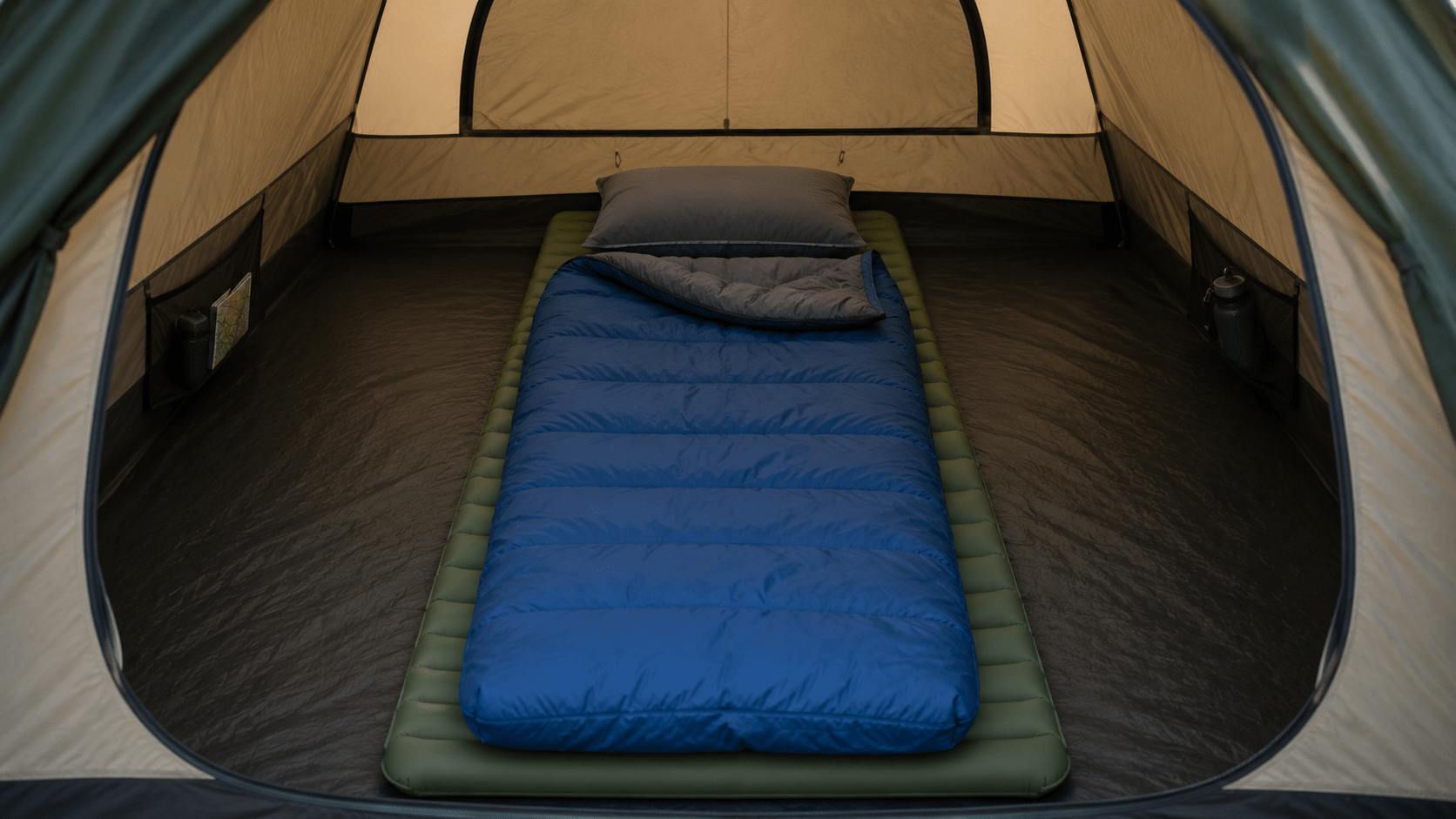
A pad, a bag that suits you, and a real pillow — the core of a good night out.
Set up your tent like a tiny bedroom
A few minutes of thoughtful setup pays you back all night. Treat your tent like the cozy little room it is.
Choose a smart spot for your tent
Where you pitch matters more than people think. A quick run-through before you commit:
- Find flat, level ground. Even a slight slope means you’ll slide downhill all night.
- Clear the floor first. Sweep away rocks, roots, and pinecones before laying anything down.
- Face away from the sunrise. If you can, point the tent so the morning sun doesn’t blast you awake at dawn.
- Skip the low spots. Cold air and moisture settle at the bottom of dips overnight.
Layer up, even inside the bag
Sleep in clean, dry clothes — never the sweaty ones you hiked in. Damp fabric chills you fast. A dry base layer, warm socks, and a hat if it’s really cold will keep you toasty far better than piling on heavy blankets.
Fill a bottle with warm water and tuck it near your feet a few minutes before bed. Warm feet help the rest of you drift off faster — it works at home too.
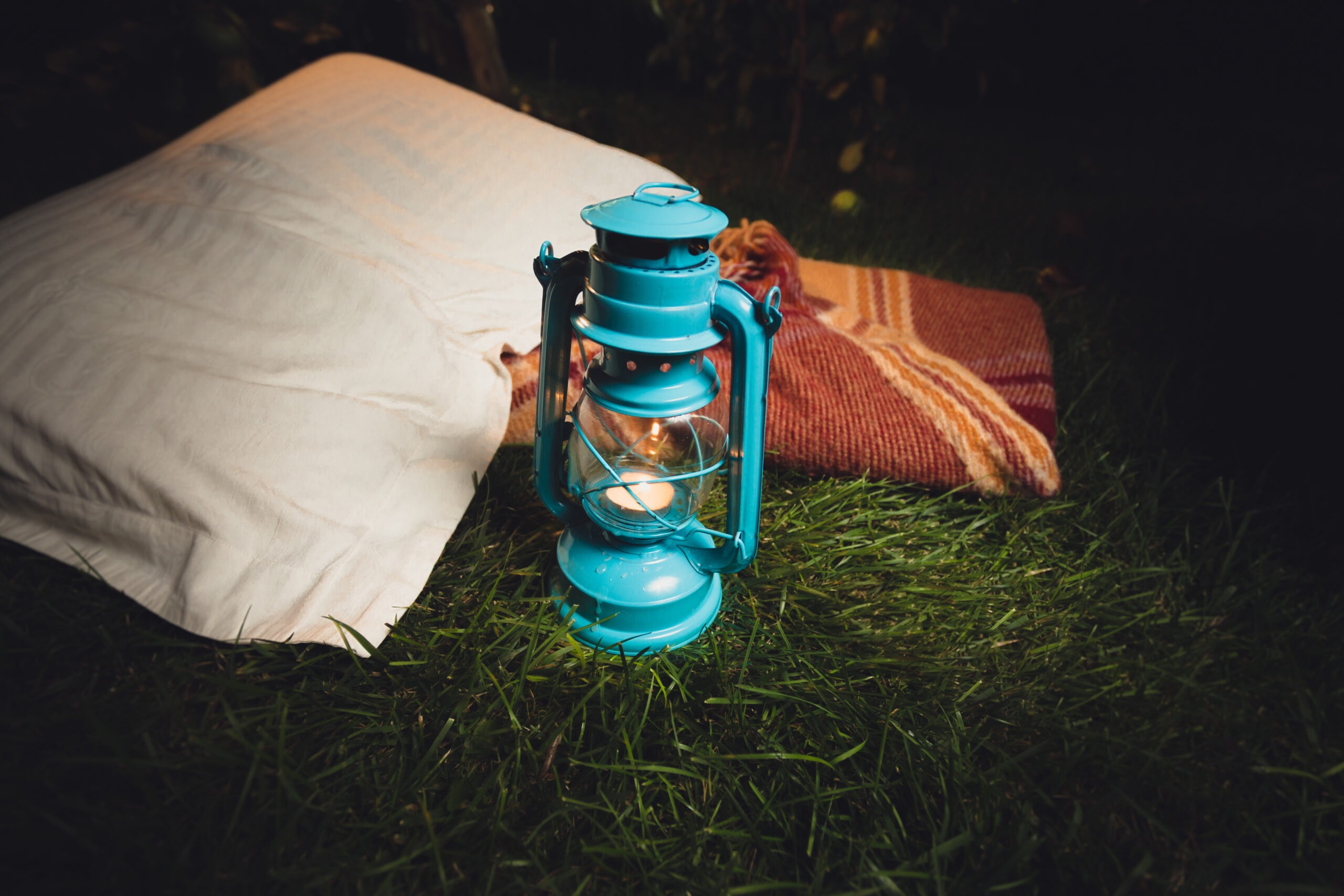
A few minutes of cozy setup pays you back all night long.
Block out the light and noise
Nature is gorgeous, but it doesn’t care about your sleep schedule. Birds start before sunrise. The sun lights up your tent embarrassingly early. And the forest has a whole nighttime soundtrack you’re not used to.
Tame the early sunrise
Even the best tent lets light pour in at dawn. A simple sleep mask blocks it completely and lets you sleep past 5 a.m. like a civilized person. It weighs nothing and takes up no space, which makes it one of the easiest wins for camping sleep. A contoured sleep mask does the job nicely.
Soften the sounds of the wild
Rustling leaves, a distant owl, your tent neighbor’s snoring — it all adds up. A good pair of soft earplugs takes the edge off without blocking everything, so you’ll still hear anything that actually matters. Soft reusable earplugs are an easy thing to keep in your pack.
If total silence makes you uneasy out there, a small portable white noise machine creates a steady, familiar hum that smooths over the random sounds. It’s a comforting touch of home in the middle of the woods. A portable white noise machine is worth a spot in your bag.
Quick wins for a better night outdoors
A few small habits that make a surprisingly big difference:
Bring a real pillow
A packable camping pillow beats a wadded-up jacket every time. Your neck will thank you in the morning.
Wind down first
Dim the lantern and put screens away a little before bed, just like you would at home.
Sip water early
Too much right before bed means a cold midnight trip outside. Drink earlier in the evening.
Keep a headlamp close
Fumbling in the dark wakes you all the way up. Keep one within arm’s reach of your bag.
Matching your gear to the trip
The right setup shifts a bit depending on how and where you’re camping. Here’s a quick guide to what tends to work best.
| Trip type | Best sleep setup | Why it works |
|---|---|---|
| Car camping | Thick air mattress | Weight doesn’t matter, so comfort wins |
| Backpacking | Lightweight self-inflating pad | Packs small and keeps you warm |
| Cold nights | High R-value pad + warm bag | Blocks ground cold from below |
| Restless sleeper | Wearable sleeping bag | Move around without losing warmth |
It gets easier every trip
Your first night in a tent is rarely your best one, and that’s completely normal. Your body’s still adjusting to a new bed, new sounds, a new kind of dark. Give it a couple of nights and something shifts — the quiet starts to feel peaceful instead of strange, and you wake up genuinely rested.
Sort out your warmth from the ground up, choose a bag that suits you, set up your little tent-bedroom with care, and quiet down the light and noise. Do that, and camping stops being something you endure overnight. It turns into one of the best sleeps you’ll have all year.
And if you’re still not sure what to sleep on, that one choice makes a bigger difference than almost anything else. Our guide on how to choose a camping mattress breaks down R-value and the main options so you can pick the right one for your trips.
A tent will never feel quite like your own bed — and that’s the whole point. Some of the best sleep happens with nothing but canvas between you and the stars.