
How to Reduce Snoring Naturally (And the Devices Worth Trying When You Need More)
The most effective snoring fixes are often the ones that cost nothing. But sometimes a small, well-chosen tool is the thing that finally makes the difference — and knowing which one to reach for saves you a lot of wasted time and money.
This article may contain affiliate links. If you buy through these links, we may earn a small commission at no extra cost to you.
There’s a particular kind of frustration that comes with snoring. You’ve probably tried sleeping in a different position, maybe propped up a few pillows, maybe nudged someone awake more times than you’d care to count. And still, nothing fully sticks.
The thing is, snoring rarely has just one cause — and the fix that works for someone else might not be the fix that works for you. That’s not a reason to give up. It’s a reason to approach it more deliberately.
This article covers two angles: natural ways to reduce snoring using things you likely already have at home, and the best anti-snoring devices worth trying when you need a bit more help. Start with the natural side — most people find they need less than they expected.
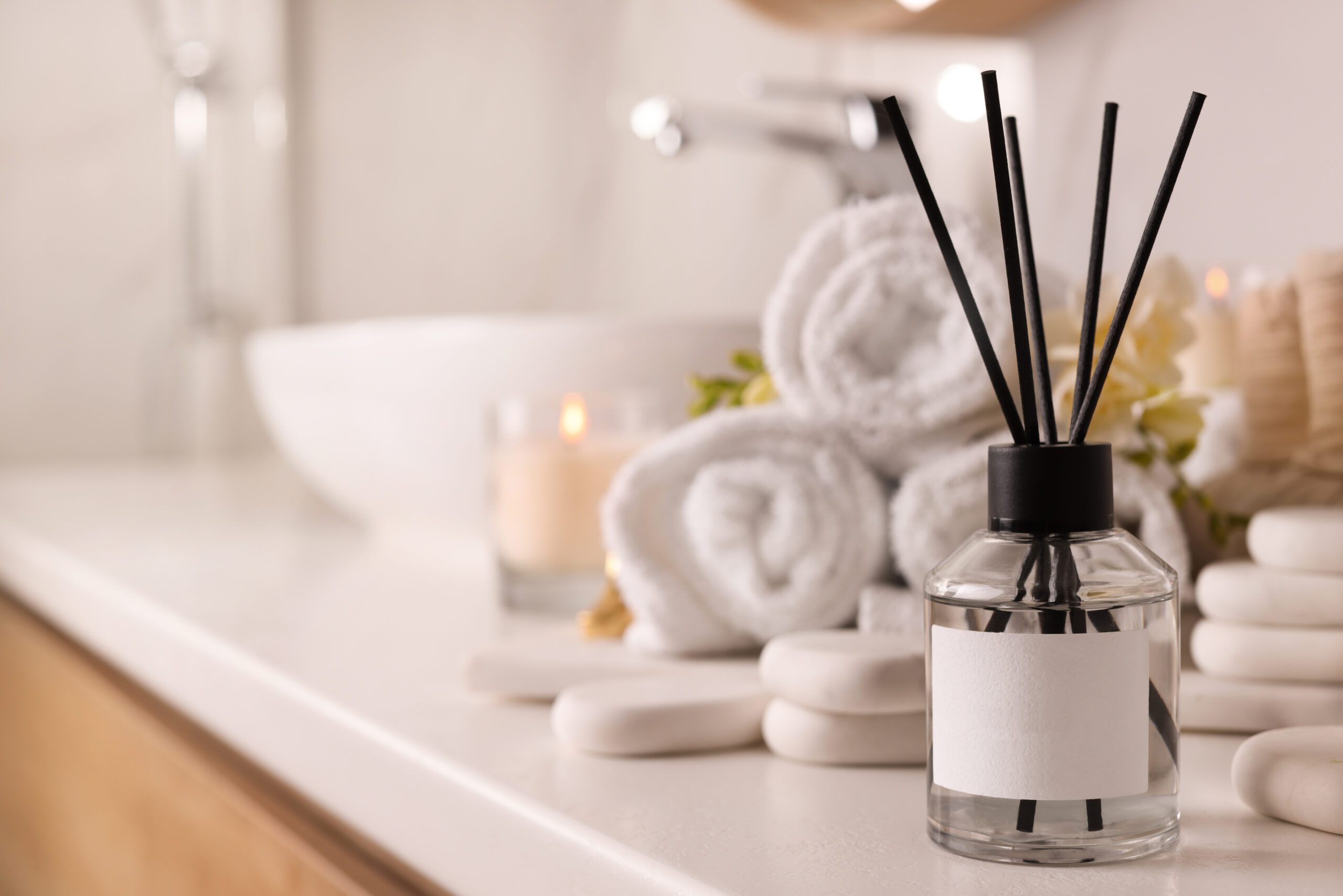
Natural snoring remedies work with your body rather than around it — and most of them are already within reach.
Natural Ways to Reduce Snoring
Before anything else — the natural remedies. These are the changes that cost nothing or close to nothing, require no device, no prescription, and no complicated routine. They work because they address the actual conditions that make snoring worse: dry airways, nasal congestion, poor muscle tone, and the habits that quietly add up overnight.
Steam and nasal rinsing before bed
One of the most underused and most effective things you can do. Nasal congestion — even mild, barely-noticeable congestion — forces you to breathe through your mouth during sleep, and mouth breathing is one of the leading triggers of snoring.
A warm shower before bed does double duty: it loosens congestion and it signals to your nervous system that it’s time to wind down. If you want something more targeted, a saline nasal rinse clears the passages more thoroughly and keeps them that way through the night. Takes about 90 seconds. Worth making a habit.
Good to know
Facial steam — filling a bowl with hot water, draping a towel over your head, and breathing slowly for five minutes — is one of the oldest natural remedies for congestion, and it works. Adding a few drops of eucalyptus oil makes it even more effective at opening the nasal passages before sleep.
Humidify your bedroom
Dry air is a quiet villain when it comes to snoring. It dries out the membranes lining your nose and throat, causing them to swell and produce excess mucus — both of which narrow the airway and make vibration more likely.
A bedroom humidifier, running through the night, maintains the kind of moisture level that keeps everything more relaxed and open. If you wake up with a dry mouth, a scratchy throat, or stiff nasal passages, dry air is almost certainly a factor.
Aim for around 40–50% indoor humidity — comfortable enough that you notice it without the room feeling damp.
Hydration through the day
This one gets overlooked because it feels too simple. But when you’re dehydrated, the soft tissue secretions in your nose and throat become stickier and thicker — and that directly amplifies snoring. Drinking enough water through the day (not just at bedtime) keeps everything looser and quieter overnight.
It’s not glamorous. But it’s real, and it’s free.
Essential oils
A few oils have genuine anti-inflammatory and decongestant properties that can support clearer breathing at night. These work best as a complement to other habits rather than a standalone fix — but they’re worth knowing about.
- Eucalyptus — one of the most effective for opening nasal passages. Use in a diffuser, in steam, or diluted and applied under the nostrils
- Peppermint — similar decongestant effect, slightly cooler sensation. Works well in a diffuser or added to a humidifier
- Thyme — less well known, but has been used traditionally as a respiratory support. A drop diluted in a carrier oil on the chest before bed
- Lavender — primarily for nervous system relaxation. Reduces muscle tension which may indirectly ease throat tightness during sleep. Also just makes the bedroom smell wonderful
Running a diffuser overnight with eucalyptus or peppermint is the easiest way to make this a consistent part of your sleep environment.
A lighter evening
Heavy meals close to bedtime put pressure on the diaphragm and push air upward — making snoring worse and sleep shallower. This doesn’t mean you can’t eat in the evening, just that leaving two to three hours between your last meal and sleep gives your body the space it needs to settle.
The same logic applies to certain medications — antihistamines and some sleep aids relax the throat muscles more than usual, which can intensify snoring. If this sounds familiar, it’s worth mentioning to a doctor or pharmacist.
Keep the bedroom allergen-free
Dust mites, mould, and pet dander trigger nasal inflammation — which causes congestion — which causes snoring. If you find yourself stuffy every morning regardless of the season, your bedroom environment might be the culprit.
- Wash bedding in hot water (60°C or above) every week
- Use allergen-proof covers on pillows and mattress
- Keep pets off the bed if you have them
- Vacuum the mattress occasionally — they collect more than most people realize
Allergen-proof pillow protectors are an easy first step — inexpensive, washable, and one of the simplest swaps you can make in the bedroom.
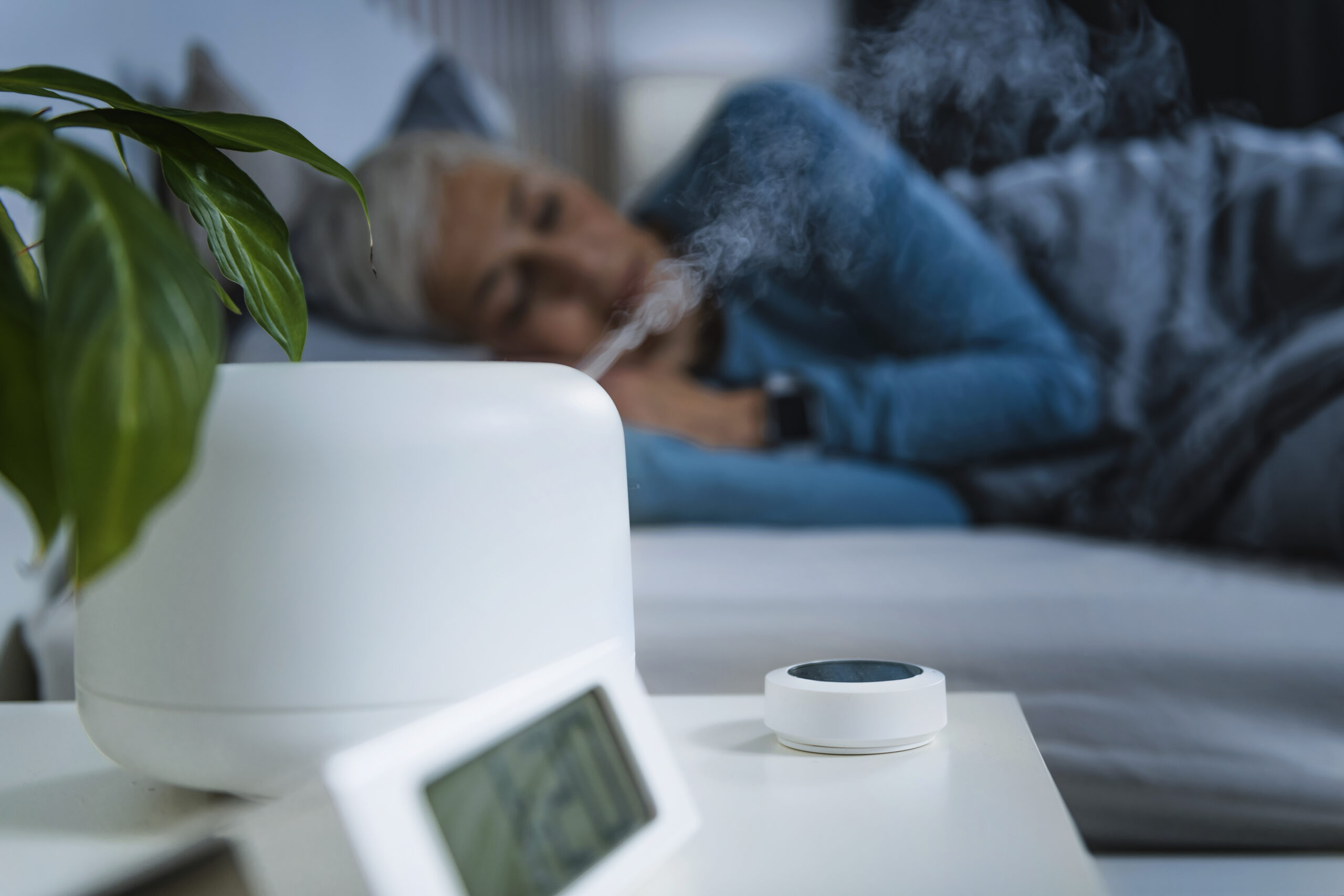
A humidifier is one of the simplest bedroom upgrades for anyone dealing with snoring — especially in dry climates or winter months.
Natural Remedies at a Glance
Here’s a quick reference of everything worth building into your routine — ranked roughly from easiest to most effort required.
Nasal rinse before bed
Clears congestion that forces mouth breathing. 90 seconds, free, highly effective for most people.
Warm shower at night
Loosens congestion and relaxes throat muscles simultaneously. One habit with two benefits.
Bedroom humidifier
Prevents the dry air that inflames nasal and throat tissue overnight. Set and forget.
Stay hydrated
Thin secretions make breathing easier. Drink consistently through the day, not just at bedtime.
Essential oil diffuser
Eucalyptus or peppermint supports nasal opening. Run overnight for the most consistent effect.
Lighter evening meals
Two to three hours between dinner and sleep reduces diaphragm pressure and eases snoring.
Allergen-free bedding
Weekly hot wash plus allergen-proof covers prevents the nasal inflammation that leads to congestion.
Facial steam
Five minutes before bed with a towel-draped bowl of hot water and eucalyptus. Clears passages thoroughly.
Throat exercises
Five minutes daily strengthens the airway muscles most prone to collapsing during sleep. See our positions & exercises article.
Anti-Snoring Devices Worth Trying
Natural remedies handle a lot. But sometimes a small, well-chosen tool adds the extra support that habits alone can’t fully close. The good news is that the most useful anti-snoring devices are simple, affordable, and easy to test at home without any real commitment.
Think of them as comfort aids for better sleep — not medical treatments. If you have any concerns about your snoring, it’s always worth checking in with your doctor first.
Nasal strips
The most accessible option on this list, and often the most immediately noticeable. Nasal strips are adhesive bands you stick across the bridge of your nose before sleep. They gently widen the nasal passages, helping air flow more freely and reducing the need to breathe through your mouth overnight.
They’re cheap, disposable, and require no adjustment period. Many people try a pack of nasal strips on a whim and end up buying them regularly. Worth having in the drawer.
Anti-snore chin straps
If you tend to sleep with your mouth open, a chin strap is a simple thing to try. It wraps gently around your chin and the back of your head, keeping your mouth softly closed through the night. Most people find it feels a little odd for the first night or two, then stop noticing it entirely.
Smart snore devices
A newer category that’s genuinely interesting. Small wearable devices — usually worn on the wrist or under the chin — detect snoring sounds or vibrations and send a very gentle nudge that encourages you to shift position without waking you up. No mouth involvement, no straps on your face. For people who tend to snore more in certain positions, they can work quietly in the background with minimal disruption to sleep.
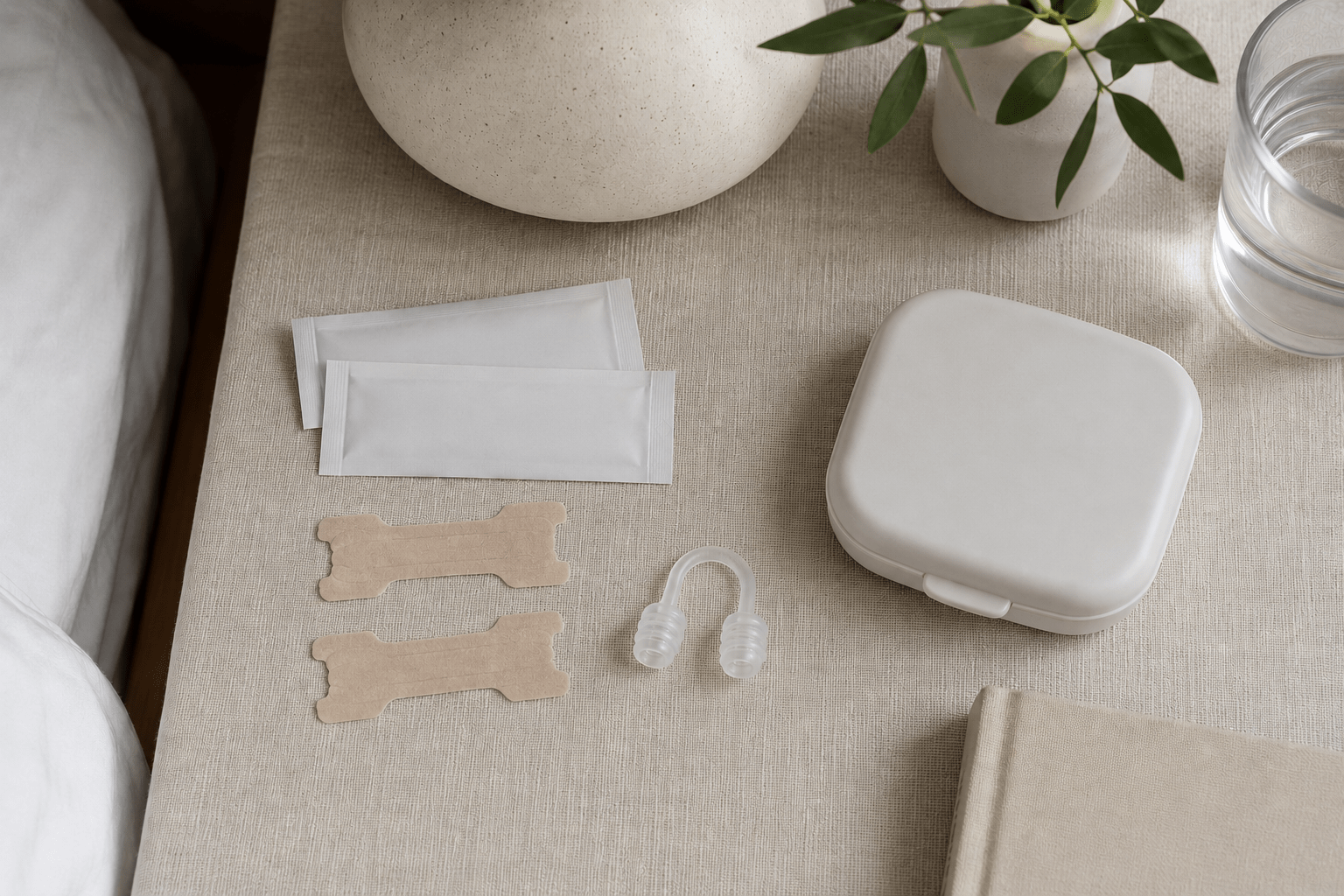
A few well-chosen sleep aids on the bedside table can make a real difference — without overcomplicating your nights.
Which Device Should You Try First?
The simplest way to decide is to start with the one that matches what you already notice about your sleep.
Nasal strips
If your nose ever feels blocked or congested at night, start here. Disposable, no commitment, and many people notice a difference the very first time they try them.
Shop nasal strips →Chin strap
If you often wake up with a dry mouth, or someone has mentioned your mouth hangs open at night, a chin strap is the most direct and low-effort fix to try.
Shop chin straps →Smart snore device
If your snoring seems worse in certain positions, a smart wearable gently prompts you to shift without waking you. No straps, no mouthpiece — just a quiet nudge.
Try nasal strips first
When in doubt, nasal strips are the lowest-effort first step. Cheap and immediate — if they help, you’ve learned something useful. If they don’t, you haven’t lost much.
Shop nasal strips →Worth noting
None of these devices are substitutes for medical advice. If your snoring is very loud, happens every night, or comes with daytime tiredness and morning headaches, it’s worth mentioning to your doctor rather than reaching for a device first.
How to Layer Natural Remedies and Devices Together
The most effective approach for most people isn’t natural remedies or devices — it’s both, used together. Natural remedies address the conditions that make snoring worse. Devices address the mechanical cause. They work on different levels, which is why combining them tends to get results that neither achieves fully alone.
A practical layering approach:
- Week one — start with the natural remedies that match your situation. Nasal rinse, humidifier, lighter evenings. Free, immediate, and often more effective than expected
- Week two — if snoring has reduced but not fully resolved, add nasal strips or a chin strap depending on whether your nose or mouth feels like the main culprit
- Week three — if you’re still not where you want to be, try a smart snore device alongside the habits already in place, or revisit the natural remedies you haven’t tried yet
- Throughout — keep up the sleep position and throat exercises from our other article. These work quietly in the background and compound over time
Most people find a workable combination within three to four weeks. The goal isn’t a perfect solution — it’s enough improvement that sleep becomes what it’s supposed to be.
Good to know
If you’ve tried a consistent combination of natural remedies, position changes, and a device or two for four to six weeks and nothing is meaningfully shifting, it’s worth a conversation with your doctor. Some snoring has underlying causes that are best assessed properly — and it’s always a straightforward thing to check.

The right combination of natural habits and a well-chosen device covers most snoring causes — and most people find their answer within a few weeks of trying.
Snoring doesn’t have to be the permanent background noise of your nights. The natural remedies in this article work with your body — clearing the airways, reducing inflammation, building better conditions for quiet sleep. The devices do the rest, filling in the gaps that habits alone sometimes can’t close. Start simply, stay consistent, and give each change the time it needs. Quieter nights are more often a matter of patience than anything else.