

How to Stop Snoring Naturally: 12 Simple Fixes That Actually Work
Most people who snore have been dealing with it for years — quietly, without realizing how much it’s affecting the quality of every night’s sleep. The fixes, in most cases, are simpler than they expect.
This article may contain affiliate links. If you buy through these links, we may earn a small commission at no extra cost to you.
There’s nothing quite like that moment when you wake up in the middle of the night — a bit confused, heart slightly unsettled — and realize the sound that jolted you awake was coming from you.
Snoring is one of those things people quietly deal with for years. Maybe your partner gives you a nudge. Maybe you wake yourself and lie there wondering what to do about it. Either way, it’s exhausting in more ways than one — and it’s far more common than most people realize.
The good news is that learning how to stop snoring rarely requires anything dramatic. For most people, the right combination of small, consistent changes makes a real difference — and some of them can start working the same night. Here’s what actually helps.
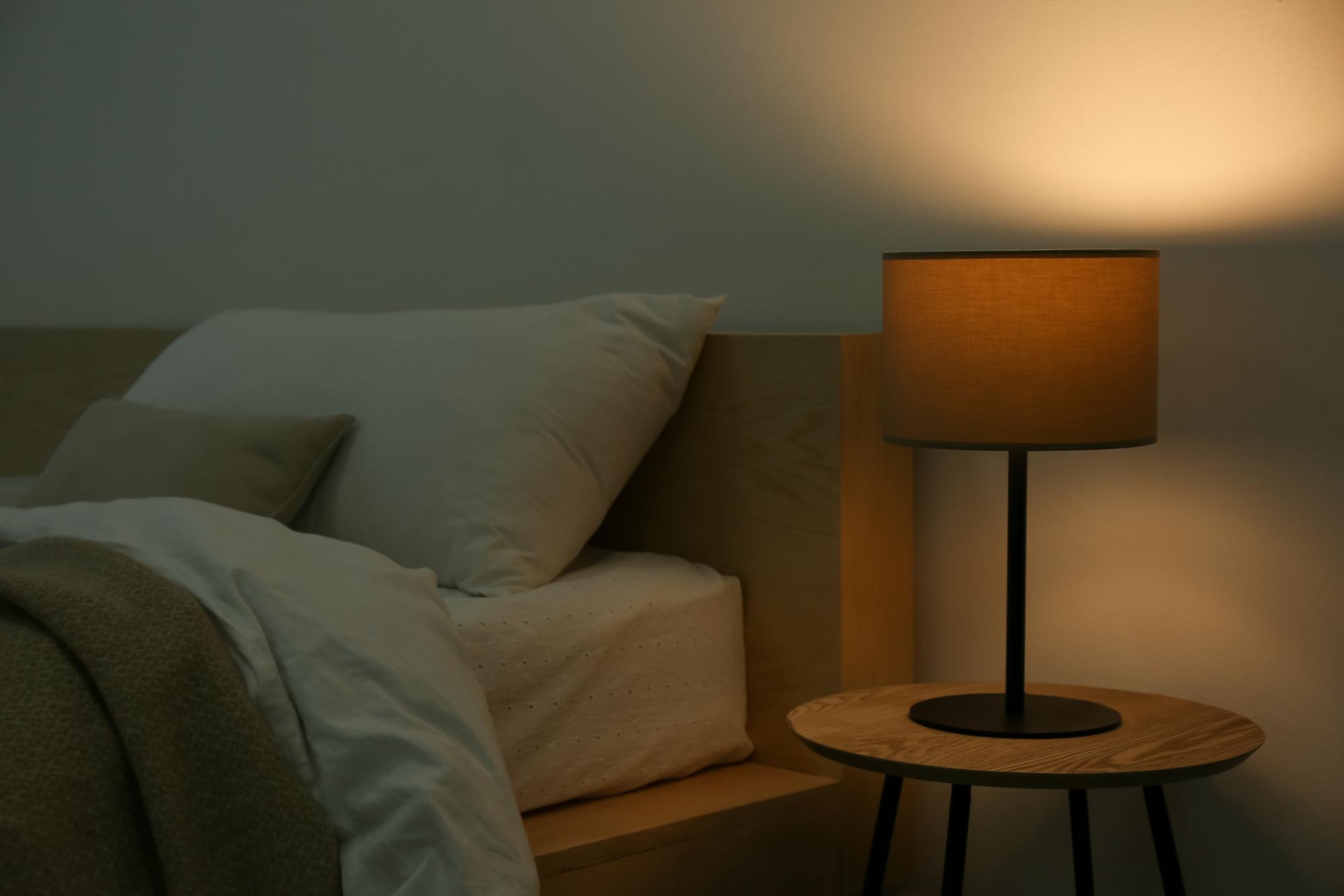
Peaceful sleep is more achievable than most people think — it usually just takes a few small, consistent changes.
Why Snoring Happens — and Why It’s Worth Fixing
When you fall asleep, the muscles in your throat relax. For many people, they relax just enough that the airway narrows slightly, and as air passes through, the surrounding tissue vibrates. That vibration is the sound we call snoring.
It’s not the same for everyone. Some people snore because of how they’re positioned in bed. Others because of nasal congestion, dry air, or the natural shape of their airways. A few habits — certain foods before bed, irregular sleep schedules, even pillow firmness — quietly make things worse over time without you connecting the dots.
What most people don’t realize is that snoring almost always responds to the right targeted changes. You don’t need to overhaul your life — you just need to find the one or two things that are working against your airway overnight.
The Ways to Stop Snoring That Actually Work
Not all snoring fixes are created equal. Some have strong evidence and work immediately. Others take a couple of weeks of consistency to fully kick in. Here’s what belongs in the first category.
Sleep on your side, not your back
This is the single easiest change you can make — and for many people, it’s enough on its own. When you lie on your back, gravity pulls your tongue and soft palate toward the back of your throat, narrowing the airway and making vibration almost inevitable. Side sleeping keeps everything more open and reduces that friction significantly.
If you keep rolling onto your back during the night, try tucking a firm pillow behind you. It works as a simple physical barrier, and most people stop noticing it after a few nights.
Elevate your head slightly
Lying completely flat isn’t always ideal for your airways. A slightly elevated head — even just adding an extra pillow — can reduce the tissue vibration behind snoring. Some people notice an improvement the very first night. It’s a completely free change worth trying before anything else.
If a standard pillow doesn’t quite do it, anti-snore pillows are designed to support your head and neck at a better angle throughout the night.
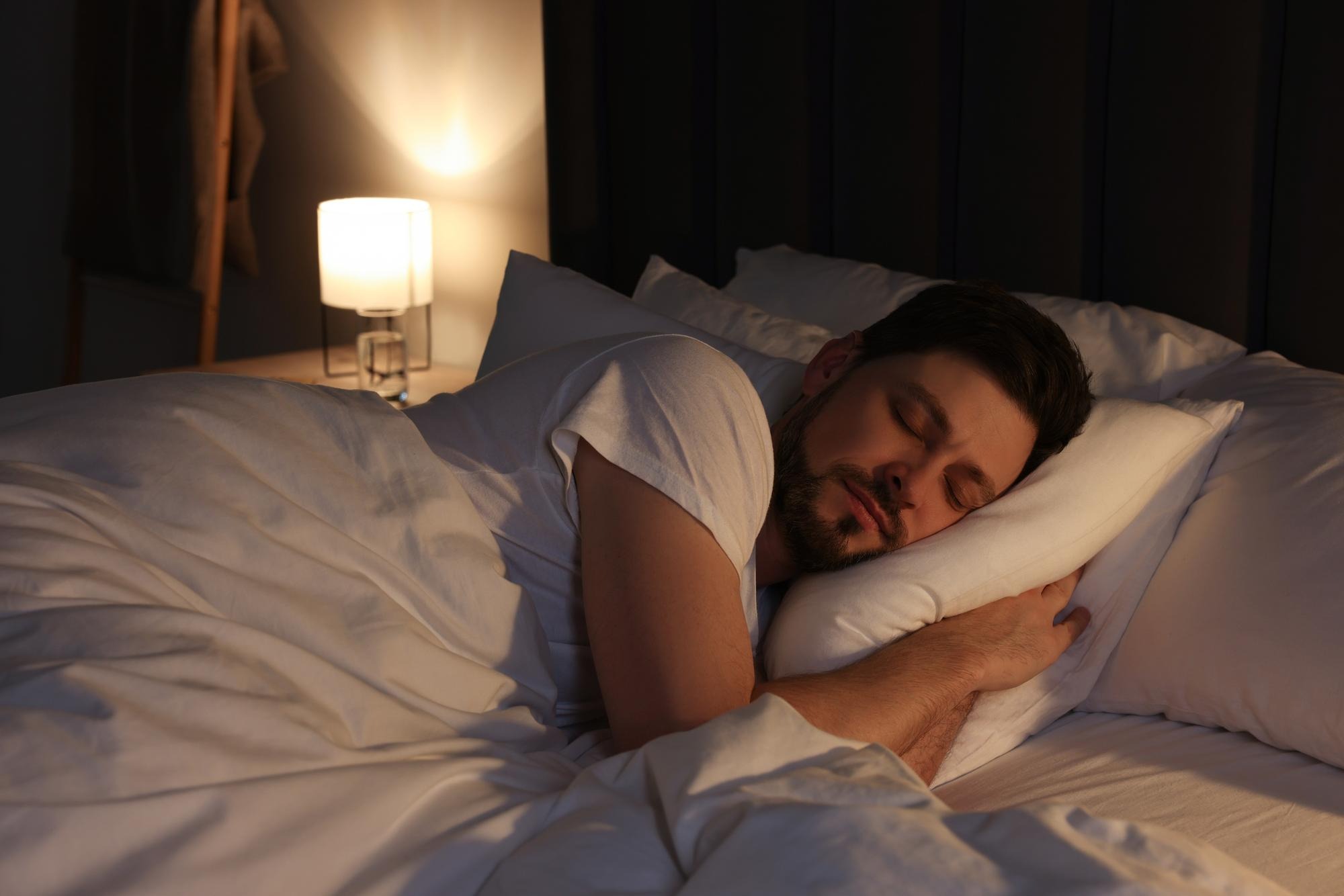
Side sleeping is the simplest, most immediate snoring fix — and often the only one many people need.
Add a humidifier to your bedroom
Dry air irritates the membranes in your nose and throat, causing them to swell slightly — which narrows the airway and often makes snoring worse. A humidifier adds moisture back into the room and helps everything stay more relaxed overnight. If your bedroom tends to be dry, especially in winter, this is a low-effort fix with a noticeable effect.
Clear your nose before bed
Nasal congestion forces you to breathe through your mouth — and mouth breathing is one of the most common snoring triggers there is. A small habit of nasal rinsing or using a saline spray before bed helps significantly, especially if you tend to get stuffy at night or deal with seasonal allergies.
Good to know
Nasal strips — the kind you stick across the bridge of your nose — physically widen the nasal passages while you sleep. They’re inexpensive, require no adjustment period, and many people notice a difference on the first try. A simple thing worth keeping in the drawer.
Do a few simple throat exercises each day
This one surprises people. But there’s real evidence behind it — the muscles in your throat, tongue, and soft palate can be gently strengthened over time, and stronger muscles are less likely to collapse and vibrate during sleep.
A few minutes of these daily makes a meaningful difference after one to two weeks of consistency:
- Tongue slide — press your tongue tip to the roof of your mouth and slide it backward slowly, 20 repetitions
- Vowel sounds — say each vowel out loud slowly, stretching the sounds, three sets of 20
- Chin resistance — open your mouth wide, then close it slowly against gentle resistance from your hand under your chin
- Humming — a few minutes of quiet humming tones the soft palate gradually and consistently
12 Ways to Stop Snoring — The Full Picture
Here’s a clear overview of the habits worth building into your nights. Some are high-impact from day one. Others take a couple of weeks of repetition to fully click. All of them are worth the effort.
01
Sleep on your side
Gravity keeps the airway more open when you’re not on your back. The most immediate, zero-cost fix on this list — and often the only one needed.
02
Elevate your head
Even a small elevation reduces the tissue vibration behind snoring. Try an extra pillow first, then consider an anti-snore pillow if needed.
03
Add a humidifier
Moist air prevents throat and nasal tissue from swelling and narrowing the airway overnight. Especially helpful in dry climates or winter months.
04
Clear your nose before bed
Nasal rinsing or saline spray reduces the congestion that forces mouth breathing — one of the most common snoring triggers.
05
Do daily throat exercises
Five minutes a day strengthens the muscles that collapse and vibrate during sleep. Results typically show after one to two weeks of consistency.
06
Stay well hydrated
Dehydration thickens the secretions in your nose and soft palate, making snoring louder. Consistent water intake through the day makes a real difference.
07
Keep a consistent sleep schedule
Regular sleep and wake times prevent the deep over-relaxation that amplifies snoring. Consistency trains your body clock more than most people realize.
08
Lighten your evenings
A heavy meal close to bedtime puts pressure on your diaphragm and worsens snoring. A lighter dinner two to three hours before bed gives your body room to wind down.
09
Keep your bedroom allergen-free
Dust mites and pet dander cause nasal inflammation that leads directly to congestion and snoring. Weekly hot-wash bedding and allergen-proof covers help significantly.
10
Try a chin strap or mouthguard
Both redirect breathing through the nose and reposition the jaw for a cleaner airway. Available over the counter and easy to test at home.
11
Check your pillow and mattress
An unsupportive setup curves your neck and narrows your airway angle. The right pillow firmness for your sleep position matters more than most people think.
12
Treat congestion at the root
Consistent nasal care — or talking to a doctor about allergies or a deviated septum — beats any short-term gadget fix when congestion is the underlying cause.

The right habits don’t take long to build — and once they’re in place, restful sleep stops being something you chase and starts being the default.
When Snoring Is a Sign of Something More
Even the best habits don’t guarantee results in every case. For most people, snoring is a lifestyle issue that responds well to the tips above. But there are situations where it’s worth looking further.
Know when to talk to a doctor
If your snoring is very loud, happens every single night without exception, and comes with daytime exhaustion, morning headaches, or moments where you seem to stop breathing during sleep — it’s worth mentioning to your doctor. These can be signs of sleep apnea, which is very treatable but does need proper attention. No set of lifestyle tips is a substitute for medical care when those symptoms are present.
Don’t expect overnight results from everything
Some fixes — side sleeping, nasal strips, elevating your head — can work the same night. Others, like throat exercises or environmental changes, need consistency over a couple of weeks before their effect becomes clear. That’s not a sign they’re not working. It’s just how the body adapts. Give each change a genuine two-week window before judging it.
One bad night doesn’t reset your progress
If you fall back into old habits for a night or two — sleeping on your back, skipping the nasal rinse — it won’t undo two weeks of progress. Just restart the next day without treating it as failure. The habits that help snoring are the same ones that compound quietly in the background. Small and consistent always beats perfect and occasional.
Worth noting
You don’t have to do all twelve things at once. Pick the two or three that feel most relevant to your situation and start there. If you mostly sleep on your back, begin with side sleeping and an elevated pillow. If your nose is always stuffy, focus on nasal care and the humidifier first. The fix that matches your trigger works faster than the most popular tip that doesn’t.
Where to Start Tonight
If none of this is currently part of your routine, the thought of changing everything at once can feel like too much. It is too much. Pick one thing — just one — and try it tonight. The most impactful starting point for most people is either switching to side sleeping or elevating their head. Both are free, both are immediate, and both tend to have a noticeable effect within the first few nights.
Once that feels natural — usually after two or three weeks — add something else. Layer the changes gradually until they become the normal shape of your nights. That’s when the cumulative effect kicks in, and sleep stops being something you work at and starts being something that simply happens.
- Start with one change and do it consistently before adding another
- Match your first fix to your most obvious trigger — position, congestion, or dry air
- Give each change at least two weeks before deciding whether it’s helping
- A simplified version of your routine on hard nights is far better than skipping it entirely
- Track how rested you feel in the morning, not how long it took to fall asleep — that’s the real measure
Learning how to stop snoring isn’t about finding the one perfect fix — it’s about understanding what’s getting in the way of your airway and quietly removing it. A better pillow, a cleared nose, a side-sleeping habit. Done consistently enough, that’s all it usually takes. Your body already knows how to breathe quietly. These habits just help it remember how.